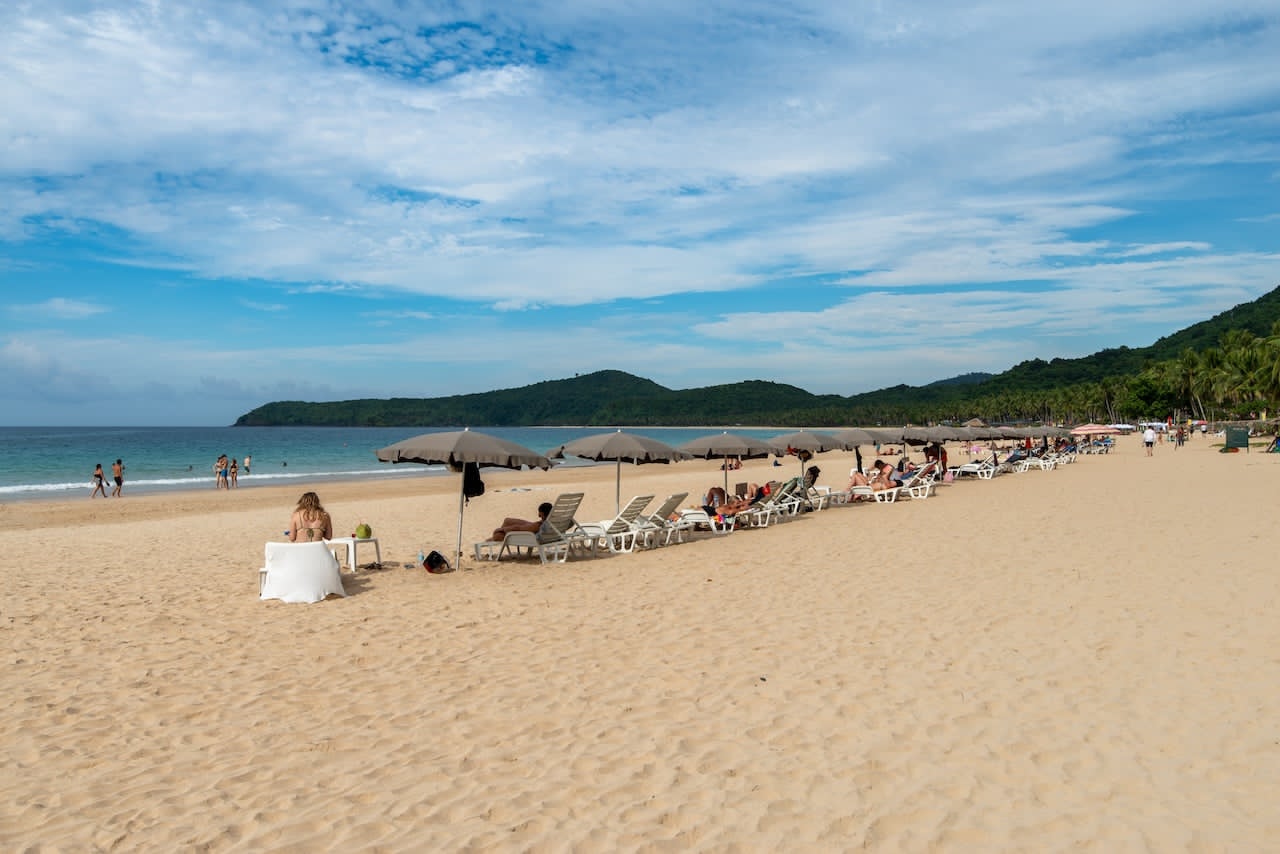
Yes, Nacpan Beach is swimmable most of the year. The water near the shore is calm, the entry is shallow, and the seafloor is sandy rather than rocky or covered in coral, which makes it comfortable to wade in without worrying about cuts or sharp reef edges. That said, conditions at Nacpan Beach are not the same every day. Weather, season, and even the time you arrive can change how safe the water actually is, so it is worth knowing what to expect before you pack your swimsuit and head north from El Nido town.
This guide breaks down when Nacpan is at its best for swimming, when to be more careful, and what has actually happened here in the past so you can make an informed choice for yourself or your family.
Still deciding if El Nido should even make it into your Palawan itinerary? Read our take on Is El Nido Palawan Worth Visiting? to see how it compares before you plan your trip north to Nacpan.
What Makes Nacpan Beach Good for Swimming
Nacpan has a reputation as one of the most beautiful beaches in the Philippines, and a big part of that comes from how welcoming the water feels on a normal day. A few things work in its favor:
- Gentle waves. Compared to open-ocean beaches nearby, Nacpan’s waves are usually small and rolling rather than sharp or crashing.
- Shallow, gradual entry. The seafloor slopes gently, so you can walk out quite far before the water gets deep.
- Sandy bottom. Unlike many Palawan beaches with coral or rocky patches close to shore, Nacpan’s floor is soft sand for a long stretch offshore.
- Clear water. On sunny days, visibility is good enough to see your feet and the occasional small fish while wading.
These features are exactly why Nacpan shows up on so many “best beaches” lists, and why it is a favorite for travelers who just want to relax in the water without dealing with sharp rocks or murky visibility.
When Swimming Conditions at Nacpan Beach Get Less Ideal
Here is the part many travel guides skip over. While Nacpan is swimmable on most days, it is not always calm, and the shift can happen faster than you expect.
Wet Season Brings Rougher Water
Between June and October, the southwest monsoon affects Palawan’s northern coast, including Nacpan. During this stretch, waves tend to build up more, the current can run stronger, and the beach itself can feel less predictable. Some travelers have described strong currents strong enough to make swimming genuinely difficult, even when the waves themselves did not look particularly large.
Currents Can Be Deceptive
This is the detail worth paying attention to. Several visitors have noted that Nacpan’s danger rarely comes from big, obvious waves. It comes from an underlying current that pulls swimmers sideways or outward, even on days that look calm from the shore. A beach that looks gentle at 9 a.m. can develop a noticeably stronger pull by early afternoon as tides shift.
Always Check Conditions When You Arrive
Because Nacpan is still a largely undeveloped beach, there is no official daily surf or safety report posted online. The most reliable approach is to ask locals, tricycle drivers, or beachside vendors how the water is that day before you go in. If you notice the tide pulling hard against your legs within the first few steps, that is a signal to stay closer to shore or skip swimming that day.
Has Anyone Drowned at Nacpan Beach?
It is a fair question, and the honest answer is yes, there have been fatal incidents at Nacpan, and local officials have pointed directly to the current as the cause rather than wave size.
In August 2023, two brothers drowned at Nacpan Beach after one of them tried to rescue his son, who had been caught by the current. According to a report from Palawan News, the brothers, aged 37 and 39, were pulled under while attempting the rescue, and it took rescuers roughly 20 to 25 minutes to retrieve them from the water. A local disaster response official later explained that the waves that day were not particularly large, but the current at Nacpan was strong, and similar drownings had happened there before, as reported by the Philippine News Agency. The same official called for more lifeguards to be stationed at the beach given how often local responders deal with strong currents there.
This is not meant to scare you away from Nacpan. Thousands of travelers swim there safely every year. But it is a reminder that “swimmable” does not mean risk-free, and that respecting the water on any given day matters more than assuming a beautiful beach is automatically a safe one.
Is Nacpan Beach Safe for Kids and Non-Swimmers?
Nacpan can absolutely work for families, but it takes a bit more planning than a resort pool. The shallow, gradual slope near shore is genuinely good for children and hesitant swimmers, since you do not need to venture far out to enjoy the water. Still, life jackets are worth bringing along, especially for young kids, and it is best to keep everyone within arm’s reach rather than letting children wade out alone. If you are planning a family trip to Palawan and want more specific guidance on keeping little ones and non-swimmers safe around open water, our guide on visiting Palawan with little kids and non-swimmers covers this in more depth.
Are There Lifeguards at Nacpan Beach?
This is one area where expectations need to be realistic. Nacpan is still a largely natural, undeveloped beach, and lifeguard coverage is limited compared to more built-up tourist beaches. Local rescue volunteers and nearby residents do respond when incidents happen, but there is no guarantee of a lifeguard actively watching every stretch of the four-kilometer shoreline at all times. If swimming safety is a top priority for your group, it is worth staying closer to the more visited central section of the beach rather than the quieter, more isolated ends.
Best Time to Swim at Nacpan Beach
Best Season
The dry season, roughly November through May, offers the calmest and most predictable water. December through February tends to be especially pleasant, with cooler air and generally gentle seas.
Best Time of Day
Mornings are usually your safest window. The water tends to be calmer before midday heat and afternoon winds pick up, and currents are often less noticeable earlier in the day.
Other Water Activities If Swimming Isn’t Ideal
If you arrive and the current feels too strong, you still have plenty of ways to enjoy Nacpan:
- Kayaking or paddleboarding near the shoreline for a lower-risk way to be on the water
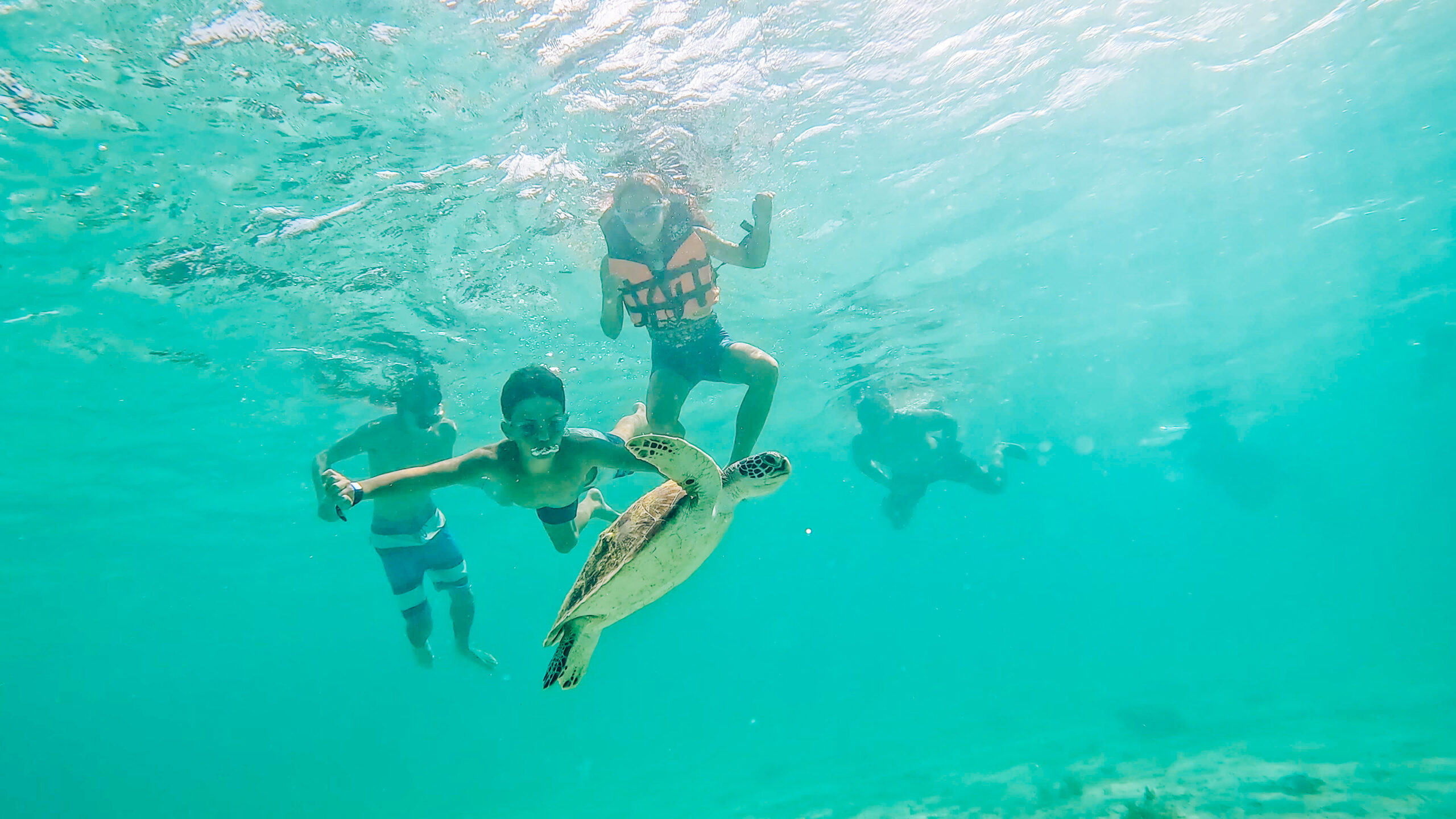
- Snorkeling in calmer patches close to shore
- Walking the sandbar between Nacpan and Calitang Beach at low tide
- Hiking the viewpoint hill for a panoramic look at both beaches meeting
- Simply relaxing on the sand with a fresh coconut while watching the sunset
So, Is Nacpan Beach Swimmable?
In short, yes, Nacpan Beach is swimmable and one of the more welcoming beaches in Palawan on a good day. The gentle slope, sandy floor, and clear water make it a genuinely nice place to cool off. But treat it with the same respect you would any open-water beach. Check conditions when you arrive, avoid swimming alone or far from shore, and be extra cautious during wet season months.
For a fuller picture of what to expect on your visit, from getting there to what to pack, take a look at our complete Nacpan Beach Palawan guide. And if you would like help planning a safe, well-organized trip to Nacpan or anywhere else in Palawan, reach out to our team and we will help you put together an itinerary that fits your group.