Palawan may be famous for snorkeling, diving, hidden lagoons, and island-hopping adventures, but you do not need a family of confident swimmers to enjoy it. With careful planning, Palawan with little kids and non-swimmers can be a safe, comfortable, and memorable family vacation.
The key is choosing activities based on your family’s abilities rather than simply booking the most popular tour. Some attractions have sandy beaches where children can play near the shore. Others involve deep water, slippery rocks, kayaking, or swimming through narrow openings.
Parents should also consider sea conditions, travel time, boat facilities, life jacket sizes, and access to food, shade, toilets, and medical services. This guide explains how to plan a family-friendly Palawan trip without placing unnecessary pressure on children or adults who cannot swim.
Is Palawan Safe for Little Kids and Non-Swimmers?
Yes, Palawan can be safe for families with young children and non-swimmers. However, safety depends heavily on the destination, weather, tour operator, and activities you choose.
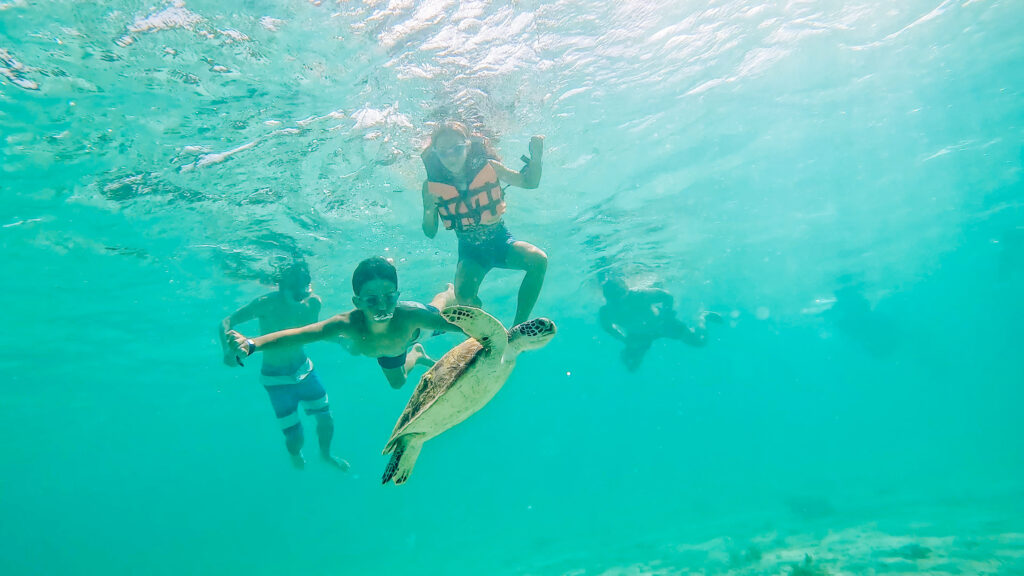
Many island-hopping tours provide life jackets and allow passengers to stay on the boat during swimming or snorkeling stops. Still, parents should never assume that every tour is suitable for toddlers or people who are uncomfortable in the water.
Before making a reservation, ask the operator:
- Are child-sized life jackets available?
- How long will the family be on the boat?
- Does the tour require swimming at any stop?
- Can guests remain on the boat?
- Is there a shaded area on board?
- Are there toilets at the destinations?
- What happens if the weather changes?
- Is the boat suitable for young children?
- Will a guide assist non-swimmers?
Travel safety guidance also recommends checking tour safety standards and consistently using available equipment, including properly fitted life jackets.
Children must remain within an adult’s reach near the water, even when they are wearing flotation equipment. A life jacket improves safety, but it does not replace close supervision.
Choose the Right Palawan Destination for Your Family
Palawan is a large province, and each major destination offers a different family travel experience. El Nido, Coron, and Puerto Princesa are all popular, but one may be more appropriate depending on your children’s ages and comfort level.
Puerto Princesa
Puerto Princesa can be a practical starting point for families traveling with babies, toddlers, or first-time visitors. It has more developed city services, restaurants, shopping options, pharmacies, hospitals, and land-based attractions.
Families can visit destinations such as the Puerto Princesa Underground River, although the excursion still involves road travel and a boat transfer. City tours, wildlife attractions, restaurants, and nearby beaches provide alternatives to full-day island hopping.
Puerto Princesa may suit families that want a mix of nature and city convenience without spending every day on a boat.
El Nido
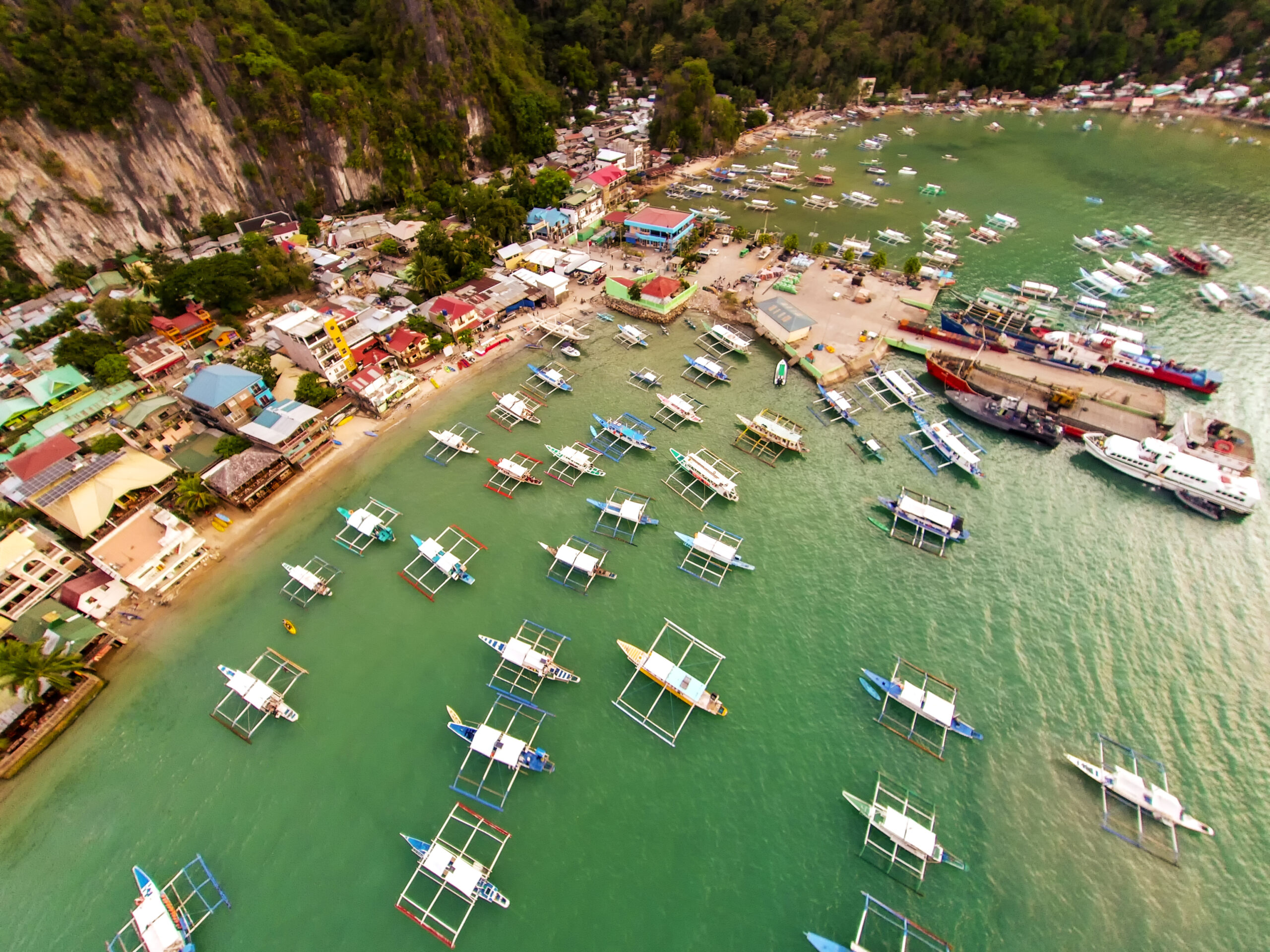
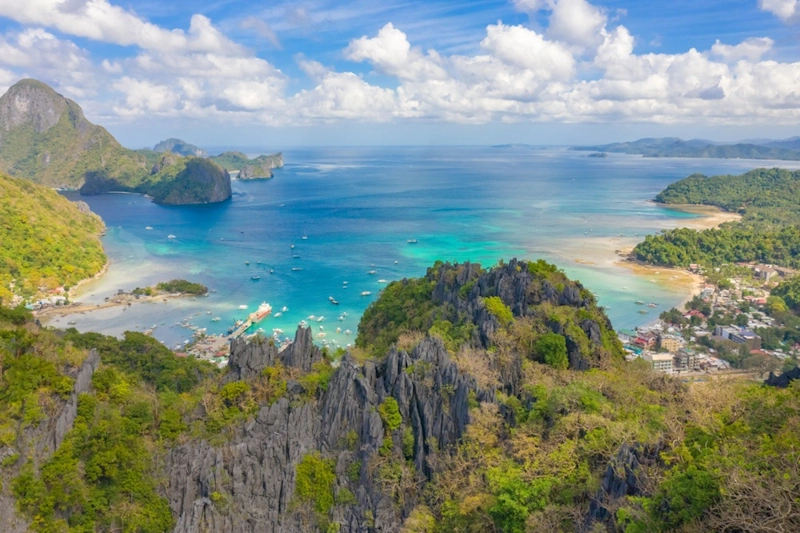
El Nido is known for limestone cliffs, beaches, lagoons, and island-hopping tours. It can be a rewarding choice for families, but parents need to study each itinerary carefully.
Some stops allow families to relax on a beach without swimming far from shore. Others are better suited to older children, kayakers, or confident swimmers.
El Nido also has mainland beaches where families can enjoy the scenery without committing to a full-day boat tour. Staying near restaurants and transportation can make the trip easier when young children need naps, early meals, or a slower schedule.
Coron
Coron is popular for lakes, snorkeling sites, coral gardens, and shipwreck diving. Many famous attractions involve steps, rocky entry points, deep water, or longer boat journeys.
Families can still visit Coron, especially with older children, but it may require more careful activity selection. Parents traveling with toddlers or several non-swimmers may find Puerto Princesa or a customized El Nido trip easier to manage.
Not Every Famous Attraction Is Family-Friendly
A destination can be beautiful without being appropriate for every family. Before adding a stop to your itinerary, consider how visitors reach it, how deep the water is, and whether children can comfortably remain on the beach or boat.
Seven Commandos Beach
Seven Commandos Beach is often included in El Nido’s Tour A itinerary. It has a sandy shoreline where families may be able to relax, walk along the beach, or play near the water instead of joining deeper snorkeling activities.
Conditions can still change. Waves, boat traffic, coral, rocks, and sudden depth changes may affect the experience. Water shoes can help protect feet from sharp stones and rough underwater surfaces.
Big Lagoon
Big Lagoon is commonly explored by kayak. This can be an option for non-swimmers who are comfortable wearing life jackets and sitting securely in a kayak with an experienced adult or guide.
Parents should ask about the kayak setup, water conditions, child age requirements, and whether a guide can paddle with the family. Children who dislike boats, enclosed life jackets, or long periods in direct sun may not enjoy the activity.
Secret Beach
Secret Beach is visually impressive, but it may not be the right stop for little kids or nervous non-swimmers. Access can involve entering the water and passing through a narrow opening in the rocks, depending on sea conditions.
An adult wearing a life jacket may be assisted by a guide, but families should never feel pressured to participate. Staying on the boat or selecting another itinerary is a reasonable decision.
This is one reason a private or customized tour can be helpful. Your family can choose beach-focused stops instead of following an itinerary built around swimming and snorkeling.
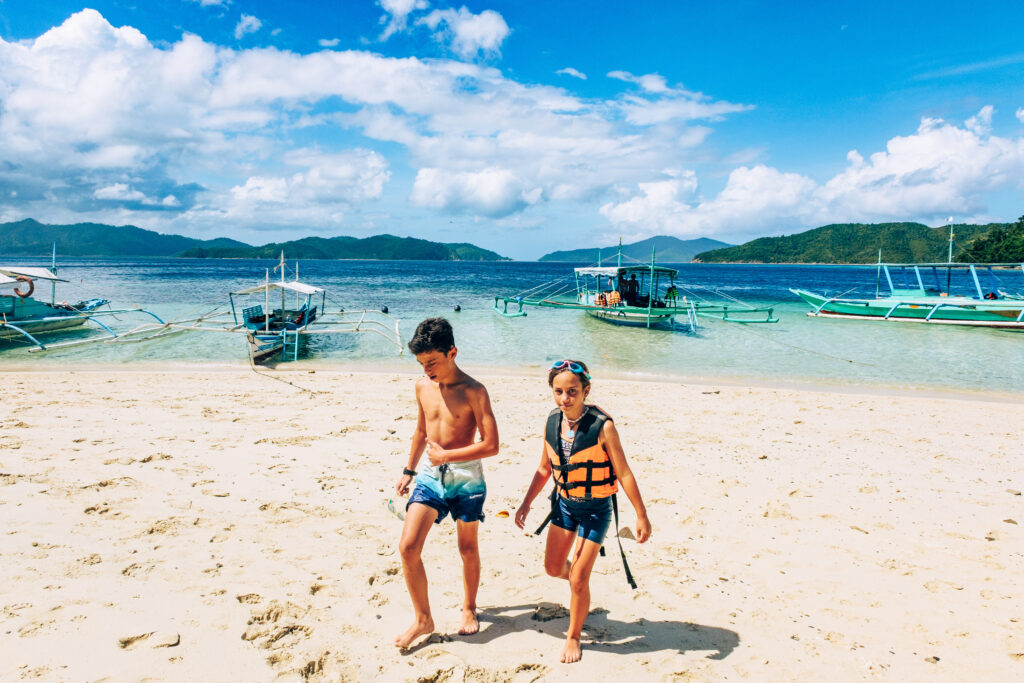
Can Non-Swimmers Join Palawan Island-Hopping Tours?
Non-swimmers can often join island-hopping tours, but they should tell the tour operator and boat crew before departure.
The crew needs to know who may require additional assistance. Non-swimmers should wear life jackets correctly and keep them on whenever instructed. They should not enter deep water alone, rely on inflatable toys, or assume that clear water is shallow.
At some stops, guests can:
- Remain seated on the boat
- Relax on the beach
- Wade only in shallow water
- Ride in a kayak with assistance
- Hold a flotation device with a guide
- Skip the stop entirely
A good tour should explain the physical requirements before anyone enters the water. If the crew cannot provide suitable safety equipment or clear instructions, choose another provider.
Private Tours vs. Shared Tours for Families
A private tour usually costs more, but it can offer important advantages when visiting Palawan with little kids and non-swimmers.
A private arrangement may allow your family to:
- Leave at a more comfortable time
- Spend longer at easy beach stops
- Skip swimming-heavy attractions
- Return early if a child becomes tired
- Carry extra food and supplies
- Ask the crew for more assistance
- Avoid placing young children in a crowded boat
Shared tours can still work for families, particularly when children are older and comfortable with a full-day schedule. However, they usually follow a fixed itinerary and may not wait for a child who needs extra time.
Ask what flexibility is available before paying.
Check the Weather and Sea Conditions
Weather can change the difficulty of an island-hopping trip. A beach that feels calm one day may have stronger waves or challenging boat access the next.
Palawan’s dry season is generally associated with clearer skies and calmer conditions, making it a popular period for island activities. The rainy season can bring rougher seas and possible tour cancellations.
Even during the dry season, conditions are not guaranteed. Parents should check the local forecast, listen to boat crews, and accept cancellations or itinerary changes when safety is involved.
Avoid building a schedule that depends on completing a boat tour on one specific day. Include a free day so the activity can be moved if the weather becomes unsuitable.
What to Pack for Little Kids and Non-Swimmers
Packing carefully can prevent small inconveniences from becoming stressful family problems.
Bring these essentials:
- Properly fitting child flotation equipment
- Rash guards or lightweight swim shirts
- Reef-safe sunscreen
- Sun hats with straps
- Water shoes
- Dry clothes
- Towels
- Reusable water bottles
- Familiar snacks
- Motion sickness supplies recommended by your doctor
- Waterproof bags
- Basic first-aid items
- Child-safe insect repellent
- Any prescription medicine
- Copies of important medical information
Do not assume every island will have shops, restrooms, changing areas, or shaded seating. Pack enough supplies for the entire tour, including extra drinking water and food appropriate for your children.
Choose Family-Friendly Accommodations
The right hotel or resort can make a major difference. A beautiful remote property may be appealing, but it may not be convenient when traveling with toddlers.
Look for accommodations with:
- Easy road or airport access
- Air-conditioning
- Family rooms
- Reliable electricity
- A restaurant nearby
- A shallow or child-friendly pool
- Refrigeration for milk or medicine
- Flexible meal options
- Space for naps and quiet time
- Assistance arranging licensed tours
Ask whether the property requires a boat transfer, steep climb, or long walk from the road. These details are important when carrying children, strollers, luggage, and beach supplies.
Build a Slower Palawan Family Itinerary
Trying to fit Puerto Princesa, El Nido, and Coron into one short vacation can exhaust both children and parents. Long road transfers, airport waits, boat rides, and hotel changes can quickly consume the trip.
For a more comfortable schedule:
- Choose one main destination.
- Leave the first day open for rest.
- Plan only one full-day boat tour.
- Follow active days with quiet beach or resort days.
- Keep meal and nap schedules flexible.
- Avoid late-night transfers with young children.
- Include one weather backup day.
Children may remember playing in the sand or watching boats more fondly than rushing through five attractions in one afternoon.
Final Safety Checklist for Parents
Before leaving for a family boat tour, confirm that:
- The operator knows your children’s ages
- The crew knows who cannot swim
- Proper life jackets are available
- The weather and sea conditions are acceptable
- The boat has shade and emergency equipment
- Your phone and documents are waterproofed
- You have food, water, and medicine
- Swimming is optional
- Everyone understands the day’s itinerary
Trust your judgment. If an activity looks difficult, conditions feel unsafe, or your child is uncomfortable, skipping the stop is the responsible choice.
Plan a Palawan Trip That Works for Your Family
A family vacation does not need to include every lagoon, cave, snorkeling site, or famous island. The goal is to enjoy Palawan at a pace that keeps everyone safe and comfortable.
With suitable accommodations, carefully selected tours, realistic travel times, and clear communication with local guides, Palawan with little kids and non-swimmers can be a wonderful experience filled with beaches, wildlife, scenery, food, and family time.
Ready to start planning? Explore practical destination guides and family-friendly travel ideas from Experience Palawan before choosing your accommodations and activities.
For more help comparing El Nido, Coron, Puerto Princesa, island tours, and seasonal conditions, plan your Palawan adventure with Experience Palawan and create an itinerary suited to every member of your family.