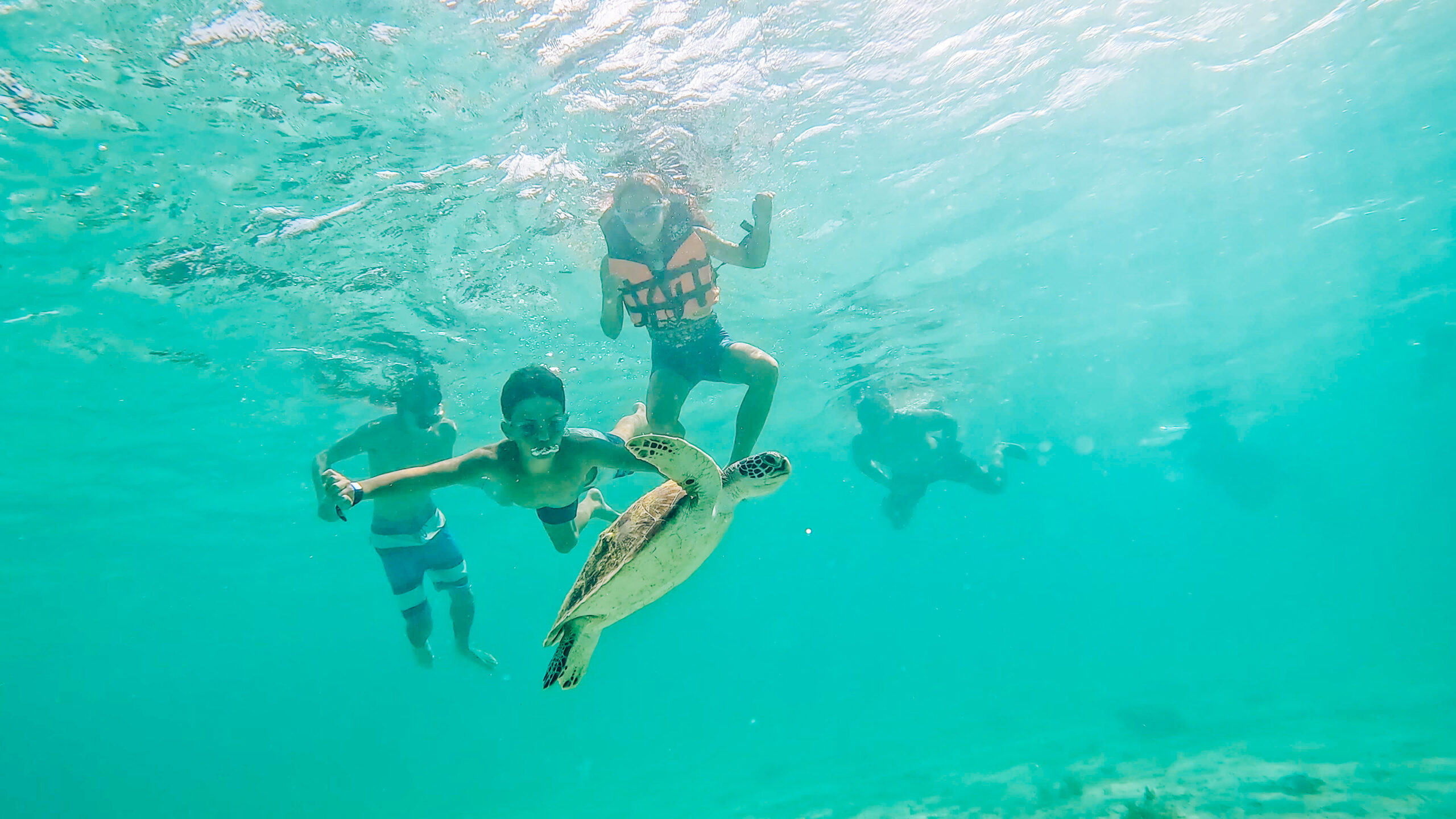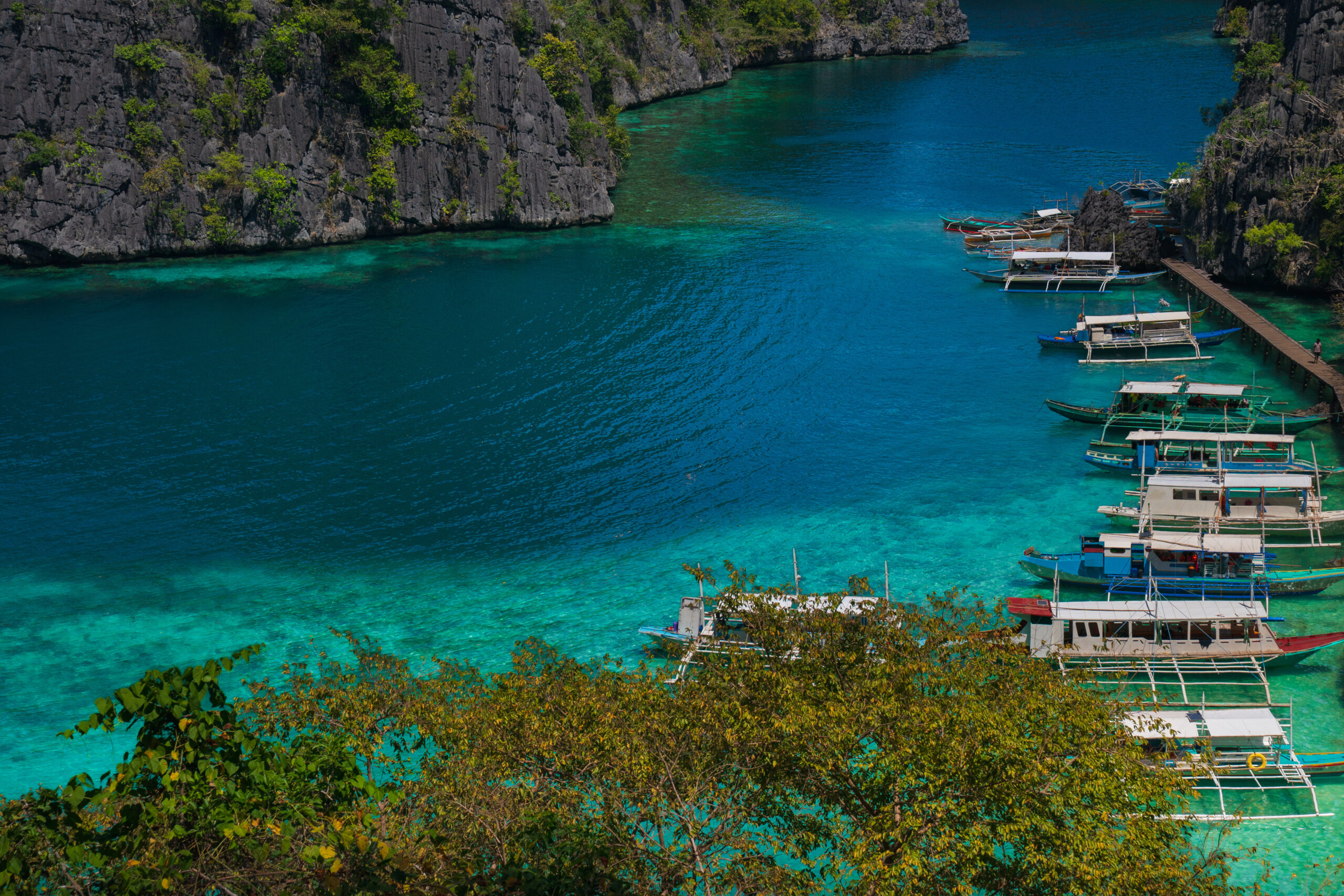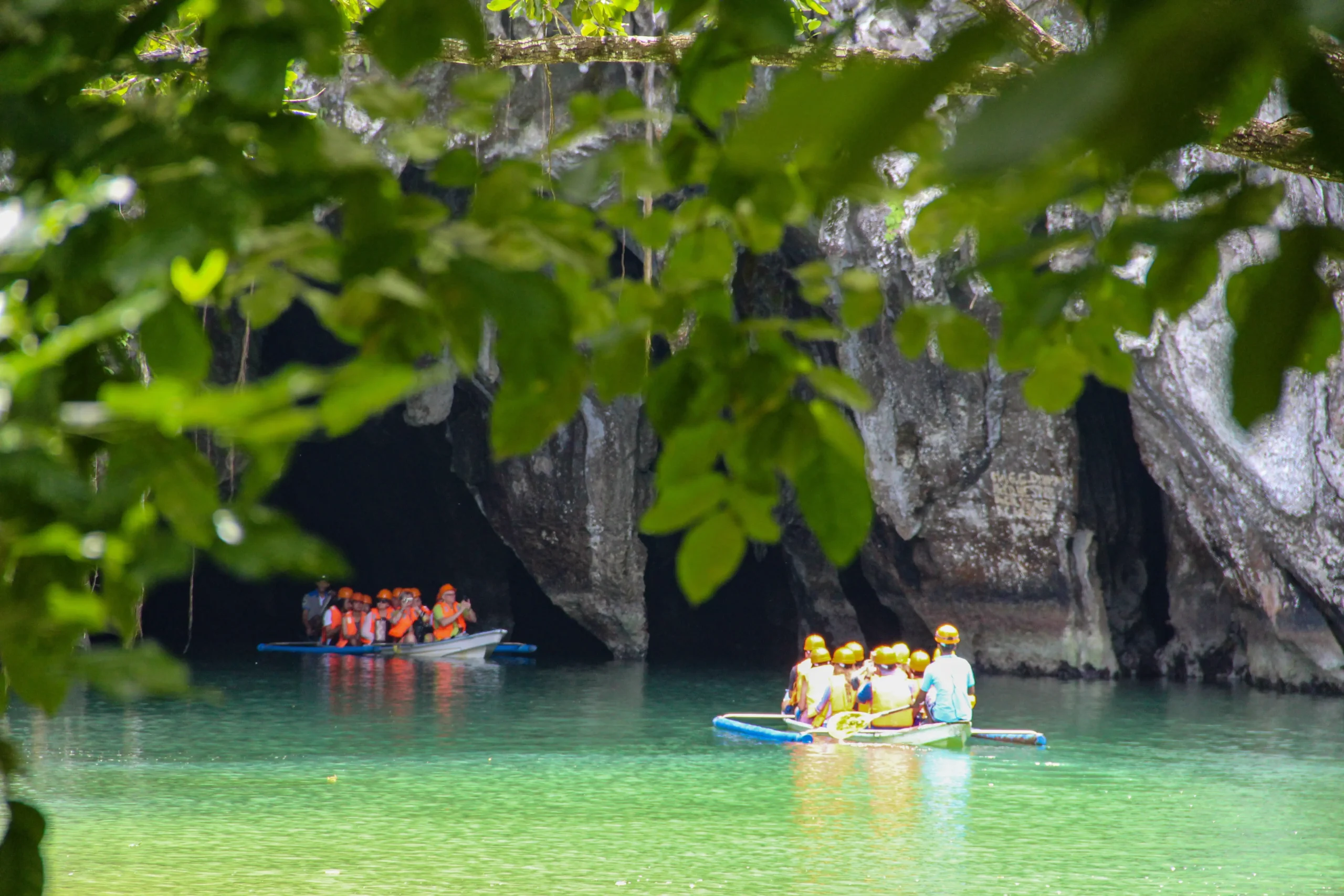
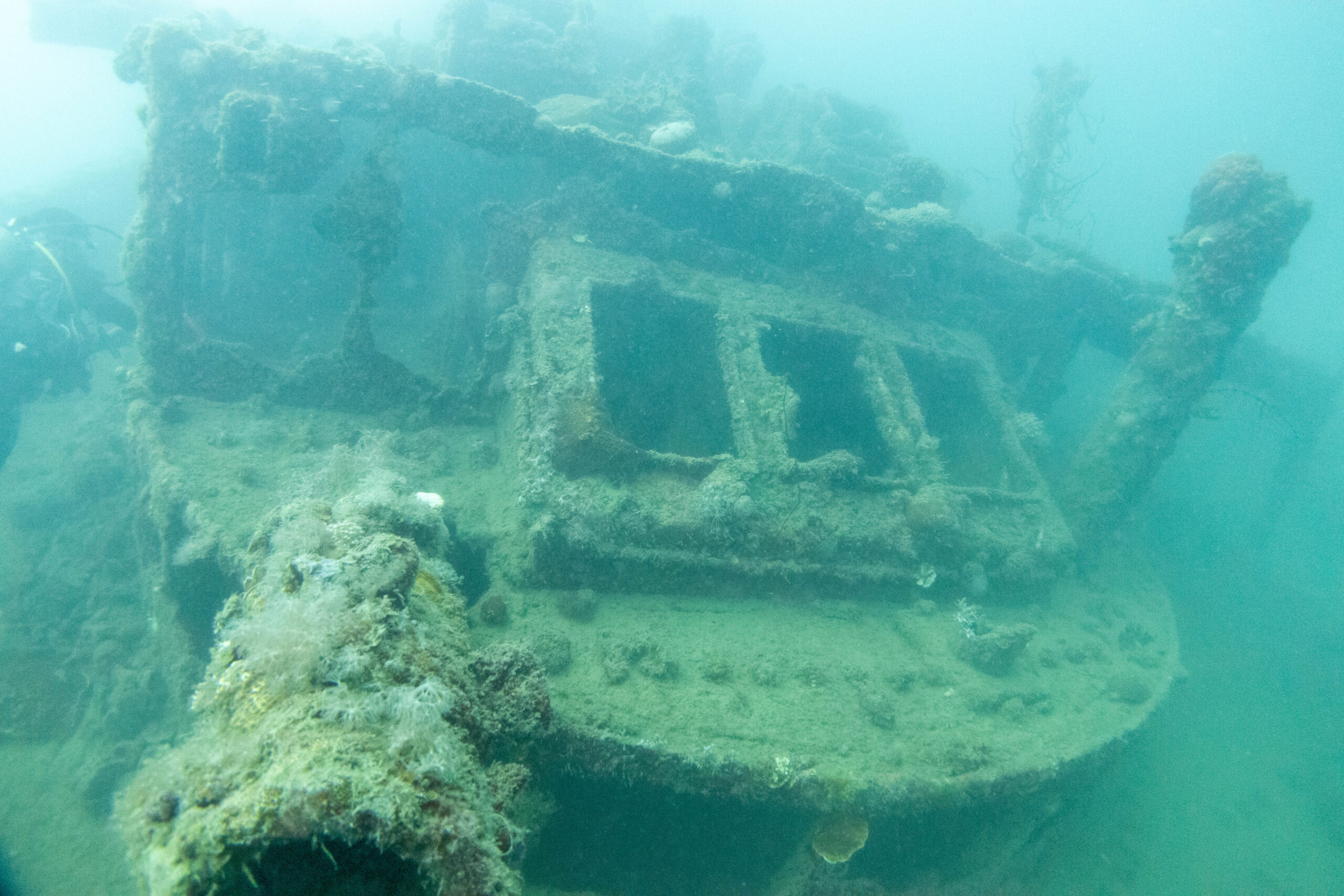
Coron is one of the Philippines’ most memorable destinations for divers. Its underwater world is known for WWII shipwrecks, coral-covered structures, reef fish, limestone landscapes, and unusual sites such as Barracuda Lake. Whether you are planning your first wreck dive or returning for another underwater adventure, choosing the right travel dates can shape your overall experience.
The most reliable season for Coron Palawan diving is generally from November through May, when rainfall is lower, seas are often calmer, and underwater visibility is more favorable. Water temperatures remain warm throughout the year, usually around 26°C to 30°C, so diving is possible in many months. Still, some periods are better than others depending on whether you care most about clear water, fewer crowds, lower prices, or calm conditions for deeper wreck dives.
For many travelers, the best balance of weather, sea conditions, visibility, and island activities falls between December and April. However, there is no single perfect month for every diver. This guide from Experience Palawan will help you choose the right time for your Coron dive trip.
Quick Answer: When Is the Best Time for Coron Palawan Diving?
For the most consistent dive conditions, plan your Coron Palawan diving trip between December and April.
During these months, travelers are more likely to enjoy:
- Calmer seas for boat travel
- Lower rainfall than the middle of the year
- Better chances of clear visibility around wrecks and reefs
- Comfortable water temperatures
- Easier conditions for island hopping and land tours
- More reliable schedules for dive boats and transfers
The tradeoff is that this is also the busier travel season. Hotels, domestic flights, dive operators, and popular tours can book up earlier, especially around Christmas, New Year, Chinese New Year, Holy Week, and long weekends.
Understanding Coron’s Diving Seasons
Coron is a year-round dive destination, but weather patterns affect visibility, surface conditions, boat travel, and how easy it is to build a full itinerary around diving.
The Philippines generally has a dry season from December through May and a wetter season from June through November. In Coron specifically, long-term weather data shows considerably lower average rainfall from December through April, with rainfall increasing sharply from May and reaching its highest levels around July through September.
December to February: Clearer Conditions and Comfortable Travel Weather
December through February is a popular period for scuba diving in Coron. The weather is usually less intense than the hotter months, and the rain is generally lower than during the middle of the year.
This period works especially well for travelers who want to combine diving with activities such as:
- Coron island hopping
- Kayangan Lake visits
- Twin Lagoon tours
- Snorkeling trips
- Mount Tapyas viewpoints
- Maquinit Hot Springs
- Beach time and boat tours
Visibility can be favorable during the cooler dry-season months, although every dive site is different. Tide movement, wind, recent rainfall, currents, and the location of the wreck can all affect what you see underwater on a specific day.
For divers, this is a good time to photograph wreck exteriors, coral formations, schools of fish, and reef life. For travelers, it is also one of the easier times to enjoy Coron beyond the dive boat.
The downside is demand. December holidays and early-year travel dates may bring more visitors to Coron Town and popular island destinations. Book accommodations and dive packages early if you plan to visit during this period.
March to April: One of the Strongest Windows for Diving
March and April are often excellent months for Coron Palawan diving, especially for people who want a mix of warm weather, stable dive schedules, and plenty of time on the water.
These months fall within the dry season, but they are warmer than December through February. Coron’s long-term climate records show average temperatures rising through March and April, with April among the hotter months of the year.
For divers, the warmer weather can make long days on the boat more enjoyable, especially when you are doing multiple dives. It can also be a great time to pair wreck diving in Coron Bay with snorkeling, beach trips, and sunset activities.
Why March and April Work Well for Divers
March and April can be a strong choice for:
- Certified divers interested in Coron wreck diving
- Couples planning a diving and island-hopping trip
- Underwater photographers
- Travelers booking multi-day dive packages
- Visitors who want dry-weather sightseeing between dives
- Groups with both divers and non-divers
Many wreck dives in Coron involve planning around depth, currents, surface conditions, and diver experience. More stable weather does not remove those factors, but it can make the overall dive-day routine smoother.
This is also a popular travel period, so expect more activity in town and at busy visitor sites. You may pay more for rooms, and last-minute availability can be limited.
May: Warm Water, More Heat, and a Seasonal Transition
May can still be a rewarding time for Coron Palawan diving, especially for travelers who enjoy warmer water and do not mind hot, humid conditions.
The weather can feel much warmer on land, and rainfall begins to increase compared with the earlier dry-season months. Coron’s climate data shows a noticeable jump in average rainfall in May, which signals the transition toward wetter conditions.
For divers, May can still offer enjoyable wreck and reef diving. However, it is smart to remain flexible with boat plans, especially if weather patterns shift.
May may suit you if:
- You want warmer water
- You can handle hot afternoons
- You are flexible with your itinerary
- You prefer traveling just before wetter months become more established
- You want to avoid the busiest holiday travel period
Bring sun protection, a rash guard, plenty of water, and lightweight clothing for time above the surface. Coron is beautiful in May, but the heat can be tiring when you combine several dives with long boat transfers.
June to October: Fewer Crowds but More Weather Uncertainty
The wetter months can offer a quieter experience, but they require more flexibility. Coron remains diveable throughout much of the year, yet weather conditions can be less predictable from June through October.
Long-term climate data for Coron shows the highest average rainfall from June through September, along with more rainy days and higher humidity. July has the highest average rainfall in the station records, followed closely by August and September.
This does not mean it rains all day, every day. Tropical weather can change quickly, and some travelers still enjoy very good diving during these months. However, heavy rain, stronger winds, rougher surface conditions, and weather-related schedule changes are more possible.
The Benefits of Diving During the Quieter Season
Traveling during the wetter season can still be worthwhile because you may find:
- Fewer tourists at popular sites
- More relaxed dive operations
- Better chances of discounted accommodations
- Less crowded restaurants and beaches
- More flexibility with room choices
- A quieter feel around Coron Town
Some divers prefer this period because they care more about having space on the boat than having perfect skies every day.
Still, it is important to understand that lower crowds come with a tradeoff. Rain can affect surface visibility, boat comfort, and access to some sites. A dive center may change the planned location or adjust the day’s schedule based on real-time conditions.
What to Expect From Visibility in Coron
Visibility is one of the biggest reasons people ask about the best time for Coron Palawan diving. Coron’s underwater visibility can vary widely depending on the site, tides, currents, rainfall, and seasonal conditions.
Some sources place typical visibility in the range of about 7 to 30 meters, with clearer conditions more likely during drier months and winter conditions.
It is important to set the right expectations. Coron is not only about wide-open blue-water visibility. The appeal is also in the experience of swimming around historic shipwrecks, seeing marine life moving through metal structures, exploring reef-covered surfaces, and appreciating the scale of the underwater landscape.
Factors That Can Affect Dive Visibility
Visibility may change based on:
- Recent rain and runoff
- Wind and surface chop
- Tide timing
- Currents around the site
- Depth and location of the wreck
- Plankton and natural water movement
- Boat traffic and nearby conditions
A local dive guide will have the most useful information on the morning of your dive. They can recommend sites based on your certification level, comfort in currents, interest in wreck penetration, and current sea conditions.
Water Temperature and Comfort Levels
One reason scuba diving in Coron is appealing year-round is that the water remains warm. PADI notes that water temperatures in Coron and Busuanga commonly stay around 26°C to 30°C throughout the year.
Most divers are comfortable in a short wetsuit, full wetsuit, or rash guard depending on their personal preference and how many dives they plan to do each day.
You may want more coverage when:
- You get cold easily
- You plan multiple dives per day
- You are diving deeper wrecks
- You are spending long periods underwater
- You prefer added protection from sun and marine contact
Ask your dive operator about equipment rental before you arrive. Many operators provide standard gear, but some divers prefer bringing their own mask, dive computer, regulator, wetsuit, or underwater camera setup.
Crowds, Prices, and Booking Considerations
The busiest time for Coron travel generally overlaps with the drier months. That means the months with more dependable weather can also be the months when popular hotels, dive centers, and island tours fill faster.
Book Earlier During These Periods
Try to book farther ahead for:
- Christmas and New Year
- January through April weekends
- Chinese New Year travel dates
- Holy Week
- Philippine public holidays
- School-break periods
- Long weekends
This is particularly important if you want a specific hotel, a private room, a certain dive operator, or a multi-day Coron diving package.
For travelers looking for a quieter trip, late May, June, October, or early November may offer a better balance between availability and weather risk. You may not have the same level of predictability, but you could enjoy lower crowd levels and a more relaxed pace.
Trip Planning Tips for Coron Divers
A great Coron trip needs more than choosing the right month. A little planning can make the experience safer, easier, and more enjoyable.
1. Stay for at Least Three to Five Nights
A short trip can work, but Coron rewards travelers who allow time for changing weather, multiple dive days, island tours, and recovery time after diving.
A three-night stay may suit a quick trip. Five nights or more gives you more flexibility to enjoy Coron without trying to rush everything into one schedule.
2. Do Not Plan Your Flight Too Close to Your Last Dive
Build space between your final dive and your flight home. Your dive instructor or operator can advise you on the right schedule based on your dive profile, depth, number of dives, and whether you use nitrox.
Avoid treating your departure day as a full dive day unless your dive professional confirms that the timing is appropriate.
3. Choose Dive Sites That Match Your Experience
Coron has options for different skill levels, but not every wreck or reef site is right for every diver. Some sites are suitable for recreational divers, while others may involve deeper profiles, stronger currents, or wreck penetration.
Be honest with your operator about your certification, recent dive activity, comfort level, and goals.
4. Plan for Both Dive Days and Non-Dive Days
Coron is more than a diving destination. Add space in your itinerary for viewpoints, hot springs, lakes, kayaking, island hopping, and local food.
For more ideas on where to stay, what to do, and how to organize a Coron itinerary, visit Experience Palawan before booking your trip.
So, When Should You Go?
The best time for Coron Palawan diving depends on what matters most to you.
Choose December through April when you want the strongest combination of calmer seas, lower rainfall, reliable boat days, and favorable visibility.
Choose March or April when you want warm water, dry-weather travel, and plenty of opportunities to combine wreck diving with island activities.
Choose May when you want warmer conditions and can handle more heat and occasional weather changes.
Choose June through October when fewer crowds and potentially lower travel costs matter more to you than perfect weather consistency.
Coron’s wrecks, reefs, and limestone scenery can be rewarding in many months. The key is to plan with realistic expectations, keep your schedule flexible, and listen to local dive professionals once you arrive.
Start building your Palawan itinerary with Experience Palawan and discover more ways to make your Coron diving trip memorable.