Still figuring out where to go first in Palawan? Coron is a strong contender, and Maquinit Hot Spring is one of the reasons why.
If you have spent even a few minutes scrolling through Coron travel photos, you have probably seen a wooden boardwalk leading into a pool tucked between mangrove trees. That is Maquinit Hot Spring, and it is unlike anything else you will find in Palawan, or anywhere else in the country for that matter.
Most hot springs in the Philippines come from freshwater sources. Maquinit is different. It is fed by both an underground geothermal source and the nearby sea, which makes it the only known saltwater hot spring in the Philippines. That alone is reason enough to add it to your Coron itinerary, but there is more to know before you go, especially if you have a heart condition or are traveling with someone who does.
This guide covers everything: what makes Maquinit Hot Spring in Coron so special, how to get there, what to expect, and the health precautions that often get left out of typical travel blogs.
What Is Maquinit Hot Spring?
Maquinit comes from the Filipino word “mainit,” which simply means hot. It is a fitting name once you dip a toe in.
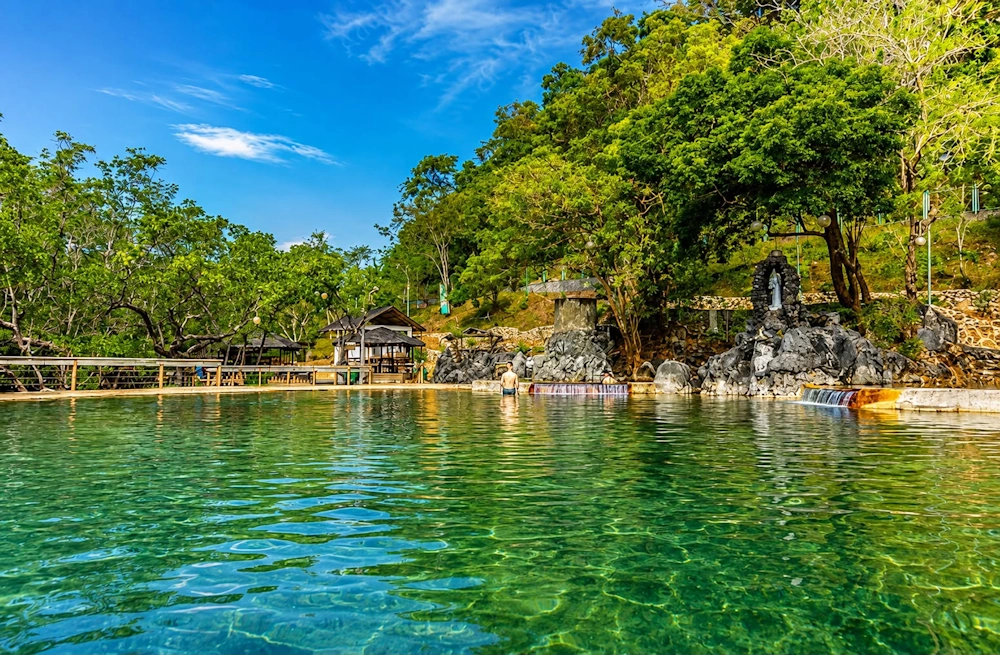
Located along the southern coast of Busuanga Island, Maquinit Hot Spring sits about 20 to 30 minutes from Coron town proper by tricycle or scooter. The spring is believed to be heated by geothermal activity beneath the earth, with the hot water mixing with seawater that seeps in through the surrounding mangrove forest. The result is a natural saltwater pool with water temperatures typically ranging between 38°C and 41°C, warm enough to feel like a giant bathtub, but not so hot that it becomes uncomfortable once your body adjusts.
The pool itself is built from stacked volcanic rock, with a boardwalk winding through the mangroves that leads you to the water. From certain points along the boardwalk, you can catch a glimpse of Coron Island in the distance, often nicknamed the “sleeping giant” because of its silhouette.
Planning your Palawan trip? Browse our Palawan destination guides for more tips on island hopping, local transportation, and the best times to visit.
Why It Stands Out From Other Hot Springs in the Philippines
Here is a quick rundown of what makes this spot different from your typical hot spring experience:
- Saltwater, not freshwater. This is the main draw. Saltwater hot springs are rare worldwide, and Maquinit is the only documented one in the Philippines.
- Mangrove setting. Instead of a resort-style pool, you are soaking surrounded by mangrove roots and coastal forest.
- Natural rock construction. The pool walls and floor are made from stacked stone, giving it a raw, unpolished feel that some visitors compare to a natural spa.
- Coastal views. Being close to the shoreline means you get glimpses of the sea and nearby islands while you soak.
- Believed therapeutic benefits. Many locals and repeat visitors say the mineral-rich warm water helps ease sore muscles, joint stiffness, and general fatigue after a long day of island hopping or trekking Mt. Tapyas.
How to Get to Maquinit Hot Spring in Coron
Getting there is fairly simple, even if the road itself can be a bit rough.
- By tricycle. This is the most common option. A round-trip tricycle ride from Coron town costs roughly 300 to 400 pesos, and the driver typically waits for you at the entrance so you do not have to arrange a return trip.
- By scooter or motorbike. If you are comfortable driving, renting a scooter gives you more flexibility. Just know that the road leading to Maquinit is unpaved and can get muddy or bumpy, especially after rain, so this option is better suited for experienced riders.
- Through a tour package. Several Coron tour operators combine Maquinit Hot Spring with other stops like Mt. Tapyas or the town’s cashew factory. This is a good option if you would rather not worry about transportation logistics.
Entrance Fees and Opening Hours
Prices and hours have shifted a bit over the years as management of the site has changed, so treat the figures below as a general guide and confirm current rates locally when you arrive.
- Entrance fee: Generally falls somewhere between 150 and 300 pesos per person, with discounted rates sometimes available for children, senior citizens, and PWDs.
- Opening hours: Most references list hours starting around 6 to 8 in the morning, with last entry in the early evening and closing sometime between 7 and 10 at night.
- Facilities: Basic changing rooms, toilets, and a small shop selling snacks and drinks are usually available on site.
Best Time to Visit
Late afternoon into early evening tends to be the sweet spot. The air cools down while the water stays warm, which makes the whole experience feel more balanced instead of overwhelming. Several visitors specifically recommend arriving around 5 in the afternoon to catch golden hour light filtering through the mangroves, even though the spring faces east and you will not see a direct sunset over the water.
If you prefer a quieter soak with fewer people around, mornings are your best bet. Weekend evenings tend to draw the biggest crowds, especially from tour groups.
What to Expect During Your Visit
A few things first-time visitors are often surprised by:
- The heat hits fast. Many describe an instinctive urge to pull their foot right back out the moment they step in. Give your body a minute to adjust.
- Lifeguards are usually present and often recommend soaking in short intervals, around 10 minutes at a time, with breaks to cool off and rehydrate in between.
- A misting or cooling area is typically available nearby if the heat becomes too intense.
- The floor is rocky and uneven, so water shoes or sandals with grip are worth bringing along.
- It pairs well with a hike. Locals often suggest visiting Maquinit after climbing Mt. Tapyas, since the warm water is genuinely soothing on tired legs.
If you are planning this trip with young kids or non-swimmers in your group, the warm, shallow, gently sloped pool at Maquinit tends to be more forgiving than open water swimming spots around Palawan, but it still calls for close supervision. Read this for the full details on keeping little ones and non-swimmers safe around Palawan’s water attractions before you go.
Health and Safety: What People With Heart Conditions Need to Know
This part rarely gets enough attention in travel guides, but it matters. Soaking in hot water, especially water in the high 30s to low 40s Celsius range, causes your blood vessels to widen and your heart rate to rise as your body works to cool itself down. For most healthy travelers, this is harmless and even relaxing. For people with heart disease, high or low blood pressure, or other cardiovascular conditions, it can put extra strain on the heart.
If you have a heart condition, or are unsure whether hot spring soaking is safe for you, here is what to do before and during your visit.
Before You Go
- Talk to your doctor first. Get clearance specifically for hot spring or hot tub use, not just general travel, since heat immersion affects the cardiovascular system differently than everyday activity.
- Ask about your medications. Some blood pressure medications and heart medications can affect how your body regulates temperature and blood flow, which changes how you respond to hot water.
- Avoid soaking after alcohol. Alcohol also affects blood pressure and can amplify the strain that hot water places on your heart.
While You Are There
- Keep soaking sessions short. Follow the lifeguards’ guidance of roughly 10 minutes at a time, and treat that as a maximum, not a target, if you have a heart condition.
- Never soak alone. Go with someone who knows your condition and can get help quickly if something feels off.
- Watch for warning signs. Exit the water immediately if you experience chest pain or tightness, dizziness or lightheadedness, an irregular or racing heartbeat, shortness of breath, nausea, or unusual fatigue. Move to the cooling or misting area, sit down, and rehydrate. Seek medical attention right away if symptoms do not ease quickly.
- Rehydrate constantly. Heat and sweating from the hot water can lead to dehydration faster than you expect, which adds even more strain on the heart.
- Ease in gradually. Sit at the edge with just your legs in the water for a few minutes before fully submerging, rather than stepping straight in.
This is general safety information, not medical advice. If you have any history of heart problems, a conversation with your doctor before your trip is the safest first step.
Nearby Attractions to Pair With Your Visit
Since Maquinit is a bit off the main tourist track, it is worth combining it with other nearby stops to make the trip feel more worthwhile.
- Mt. Tapyas. A short but steep hike offering panoramic views of Coron town and bay, often visited before heading to the hot spring to soothe tired legs afterward.
- Coron Town Proper. Home to local eateries, souvenir shops, and the departure point for most tricycles heading to Maquinit.
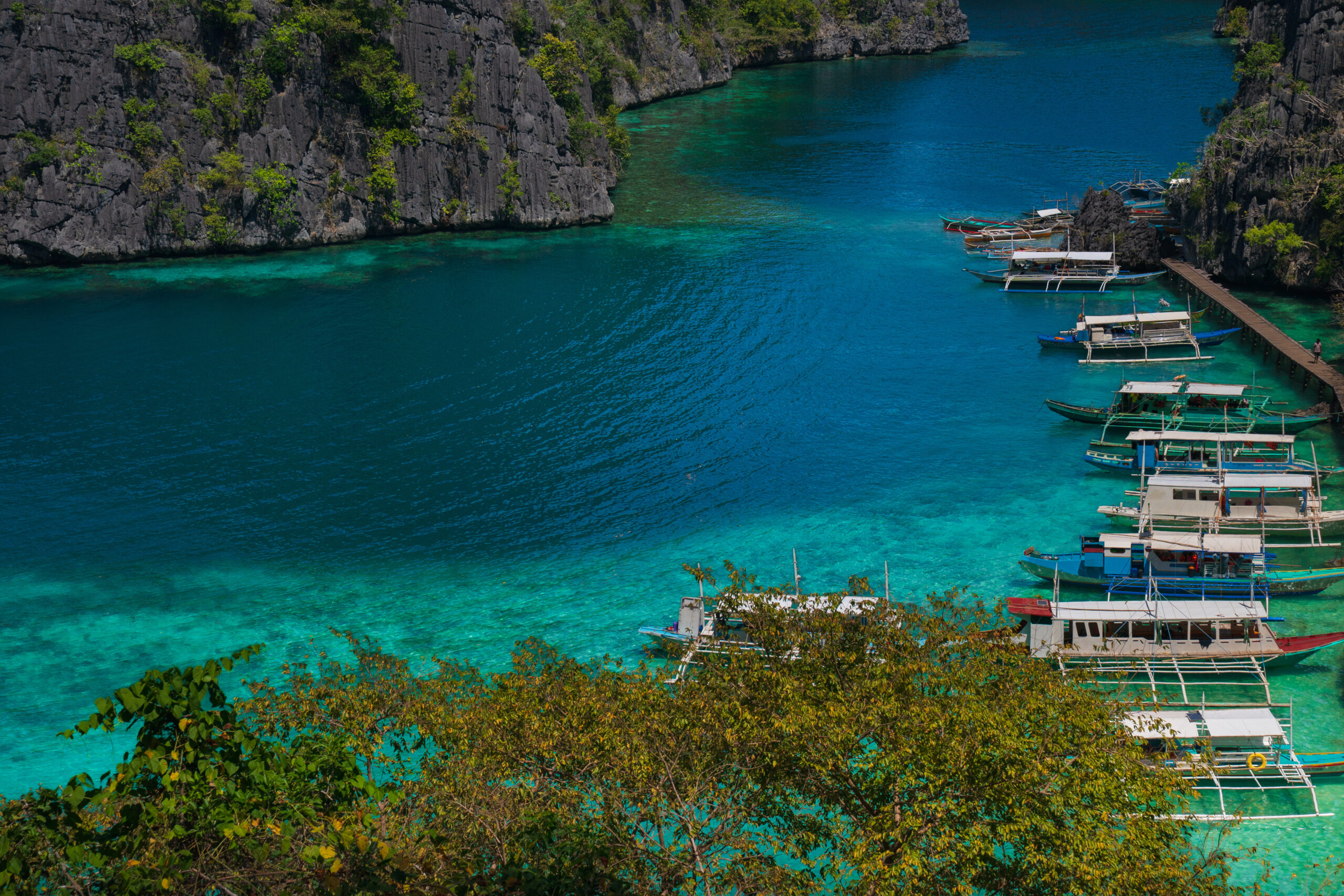
- Kayangan Lake and Twin Lagoon. While these are part of a separate island hopping tour, many visitors plan a full day combining the lakes and lagoons with an evening soak at Maquinit to end the day on a relaxing note.
Frequently Asked Questions
Is Maquinit Hot Spring worth visiting? Yes, especially if you enjoy something a little different from the usual beach and island hopping activities in Coron. The saltwater setting and mangrove surroundings make it a unique stop rather than a typical hot spring visit.
How long should I stay in the water? Most lifeguards recommend around 10 minutes per soaking session, with breaks in between, particularly given how warm the water gets.
Can pregnant women or people with heart conditions swim there? Anyone who is pregnant, has a heart condition, or has high or low blood pressure should consult a doctor before soaking in hot spring water, given the effect heat immersion has on blood pressure and heart rate.
What should I bring? Water shoes or grippy sandals, a change of clothes, a towel, drinking water, and cash for the entrance fee and tricycle fare.
Should You Add Maquinit to Your Coron Itinerary?
Maquinit Hot Spring in Coron is one of those places that rewards a bit of extra effort. The road there is rough, the heat takes some adjusting to, and it is not the kind of polished resort experience you might expect. But that is part of what makes it memorable: a natural saltwater pool warmed by the earth itself, tucked into a quiet mangrove forest, with the sea and mountains as your backdrop.
Whether you are easing sore muscles after a hike up Mt. Tapyas or simply looking for a slower, more grounding way to end your day in Coron, Maquinit delivers something you will not find anywhere else in the Philippines. And if you are still weighing whether Coron as a whole deserves a spot on your Palawan itinerary, read our full breakdown on whether Coron is worth visiting for a wider look at what the destination offers beyond this one stop.
Ready to experience it yourself? Start planning your Palawan trip with us and let us help you handle the logistics.