If you’ve spent even a few minutes in El Nido, you’ve probably already seen it without realizing what it was. That jagged limestone wall rising straight up behind the town isn’t just scenery. It’s Taraw Cliff, and climbing it is one of the more talked-about things to do in El Nido for travelers who want a view that doesn’t come from a boat.
Here’s what you’re actually signing up for, and how to decide if it’s the right call for your trip.
What Exactly Is Taraw Cliff
Taraw Cliff sits right at the edge of El Nido town, close enough that most travelers can walk to the trailhead from wherever they’re staying. The El Nido Taraw Cliff is the tallest point in the area, standing somewhere around 230 meters above the town, and it’s made of the same sharp karst limestone that shapes the islands out in Bacuit Bay.
There’s no official trail marker or paved path. This is a scramble up bare rock, following routes worn smooth by years of hikers before you. That’s part of why almost every guide recommends going with a local, not just for safety, but because they know which holds are solid and which sections to avoid after rain.
How Hard Is the Climb, Really
Most people reach the top in 30 to 45 minutes, but don’t let the short time fool you into thinking it’s easy. The rock is steep, the limestone edges can be sharp enough to cut skin, and there’s very little shade once the sun comes up. You’ll be using your hands as much as your feet in several spots.
A few things that make the climb noticeably more manageable:
- Closed, grippy shoes (flip-flops or sandals are a bad idea here)
- A light pair of gloves for the sharper handholds
- Starting early, both for cooler temperatures and to catch sunrise at the top
- A guide who knows the current condition of the trail
If you’ve read our guide on the best time to visit El Nido, you already know the dry season months bring calmer conditions across the board, and that applies to this hike too. Wet rock on Taraw Cliff is a different, much riskier experience.
Is It Worth Climbing for Sunrise
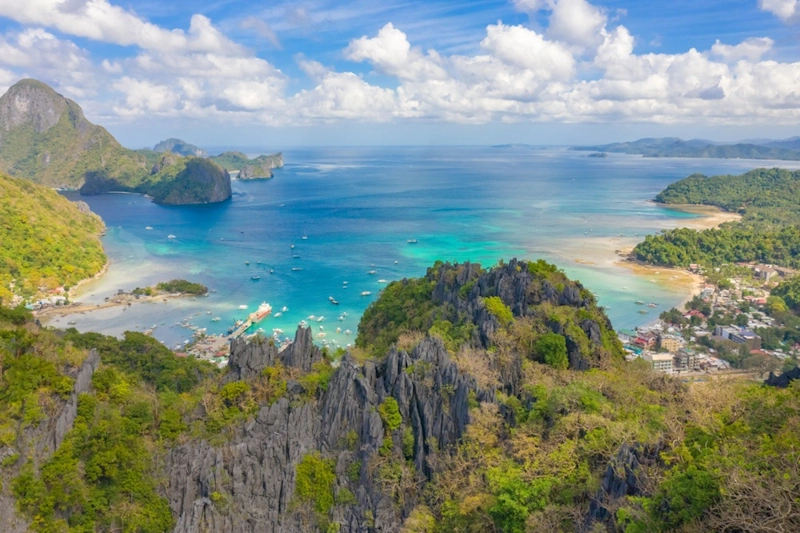
Almost everyone who makes it to the top says the same thing: yes, but be ready for the effort it takes to get there. The Taraw Cliff El Nido view from the summit gives you a full 360-degree look at the town, the harbor packed with island-hopping boats, and the limestone islands of Bacuit Bay spreading out toward the horizon. As the light comes up, the bay changes color in a way that’s hard to capture properly on a phone camera.
The tradeoff is real, though. You’re waking up in the dark, climbing exposed rock with limited visibility, and dealing with humidity that hits hard even before sunrise. If heights make you uneasy or you’re not confident on uneven terrain, this climb will test you more than the average travel blog post lets on.
Taraw Cliff El Nido View vs. the Canopy Walk
If the full climb sounds like more risk than you’re after, El Nido has a built-in alternative. The Taraw Cliff Canopy Walk uses secured steel walkways, a suspension bridge, and a proper harness system to bring you partway up the cliff. You won’t reach the same height as the summit trail (the canopy viewing deck sits at roughly a third of the total elevation), but you still get a genuinely nice view of the town and bay without needing rock-climbing confidence.
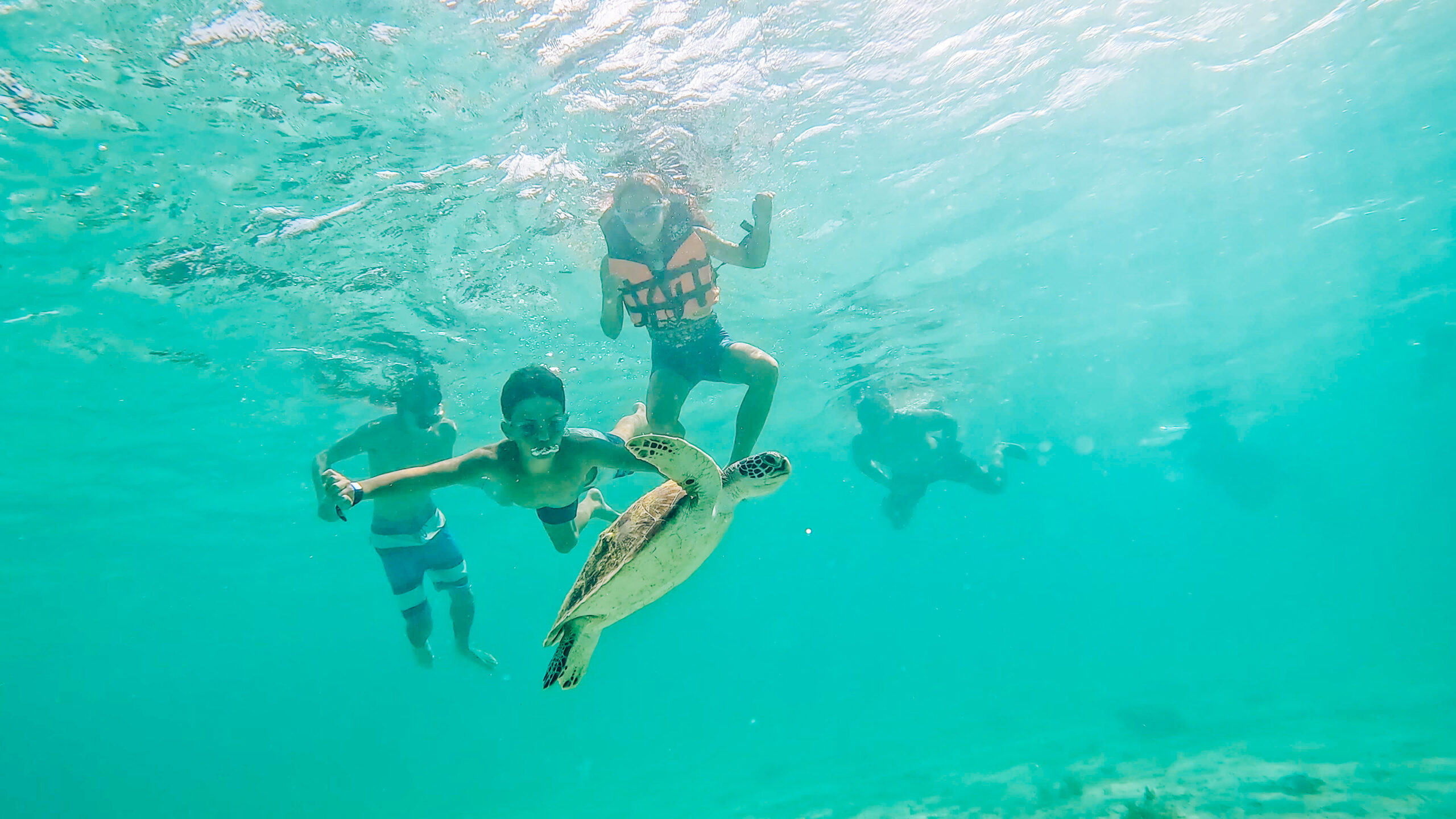
This is a solid option for travelers who want the view without the exposure, and it’s worth mentioning if you’re traveling with family. If you’re planning a Palawan trip that includes younger kids or non-swimmers, our guide on keeping the whole family safe around Palawan’s water and adventure activities has more on choosing activities that fit everyone’s comfort level. The Canopy Walk is a good example of that kind of swap.
Finding a Guide and What It Costs
Guides for Taraw Cliff El Nido aren’t hard to find once you’re in town. Most accommodations can point you to someone, and it’s common to see local guides offering the climb right near the trailhead or through small tour operators on the main street. Prices tend to be modest, usually a few hundred pesos per person, and often include a flashlight for the pre-dawn portion of the walk since you’ll be starting well before the sun is up.
A good guide does more than just lead the way. They’ll set the pace based on your fitness level, point out which handholds are stable, and know when conditions have shifted enough to turn back. Since the trail changes slightly over time as rocks loosen or erode, this local knowledge matters more here than on a marked, maintained trail. If you’re booking through your resort or a tour desk, ask specifically whether the guide does this climb regularly rather than just occasionally. A guide who knows the route well will generally be more confident navigating the terrain, spotting difficult sections, and adjusting to changing conditions.
It’s also worth asking your guide about the Via Ferrata-style safety additions installed on parts of the route in recent years, including fixed lines and steel rungs in the steeper sections. These don’t make the climb easy, but they do add a layer of security that wasn’t always there on older sections of the trail.
Is Taraw Cliff Safe? What to Know Before You Go
It’s worth being upfront about this: Taraw Cliff has a real safety history, and it’s part of why the guide conversation above matters so much. Over the years, there have been injuries on the trail, ranging from cuts and slips to more serious falls, and in rare cases, fatalities. Most of these incidents share a common thread: climbing without a guide, attempting the trail in wet or storm-affected conditions, or misjudging footing on the more exposed sections near the top.
This isn’t meant to scare you off the hike. Thousands of travelers climb Taraw Cliff safely every year, including plenty of first-timers with no climbing background. But it does explain why local operators are strict about a few things: no solo climbing, no attempting the trail after heavy rain, and no skipping the guide fee to save a bit of money. If your guide calls off a climb due to conditions, take that seriously rather than pushing to go anyway.
For anyone who’d rather skip the exposure altogether, this is also the strongest case for choosing the Canopy Walk instead. It was built specifically as a secured, harnessed alternative to the classic climb, and it remains the better option if you’re traveling with kids, unsure of your fitness level, or simply not interested in taking on that level of risk for the view.
What the Trail Actually Feels Like
The hike starts unassumingly, winding through a residential part of town before the ground tilts upward and the limestone begins. Early on, there’s a mix of dirt path and loose rock, the kind of terrain where trekking sandals might work but real hiking shoes work better. As you climb higher, the trail narrows, and the rock takes over completely. You’ll find yourself using both hands to pull up over ledges, testing footholds before committing your weight, and occasionally shuffling sideways along narrow rock spines with steep drops on either side.
It’s not technical climbing in the mountaineering sense, there are no ropes or harnesses required on the classic route, but it does demand steady nerves and a reasonable level of fitness. The final stretch to the summit is the most exposed part of the hike, and it’s also where the payoff becomes obvious. The wind picks up, the view opens in every direction, and El Nido’s rooftops and the bay’s scattered islands spread out below you.
Frequently Asked Questions
Do I need rock climbing experience to hike Taraw Cliff?
No technical climbing skills are required, but you should be reasonably fit, comfortable with heights, and steady on your feet over uneven terrain.
How much does the guided hike cost?
Rates vary by operator, but expect to pay a modest per-person fee, typically less than what you’d spend on an island-hopping tour for the day.
Can kids climb Taraw Cliff?
It’s generally not recommended for young children given the exposure and the sharp, unstable footing in places. The Canopy Walk is a better fit for families.
What should I wear?
Closed athletic or hiking shoes with good grip, lightweight breathable clothing, and gloves if you have them. Skip sandals or anything open-toed.
Fitting Taraw Cliff Into Your El Nido Itinerary
One of the better parts of this hike is how easily it fits around everything else on your El Nido to-do list. Because the climb only takes 30 to 45 minutes each way, most people are back down, showered, and fed in time to join their island-hopping tour the same morning. It doesn’t have to eat up a whole day the way some activities do.
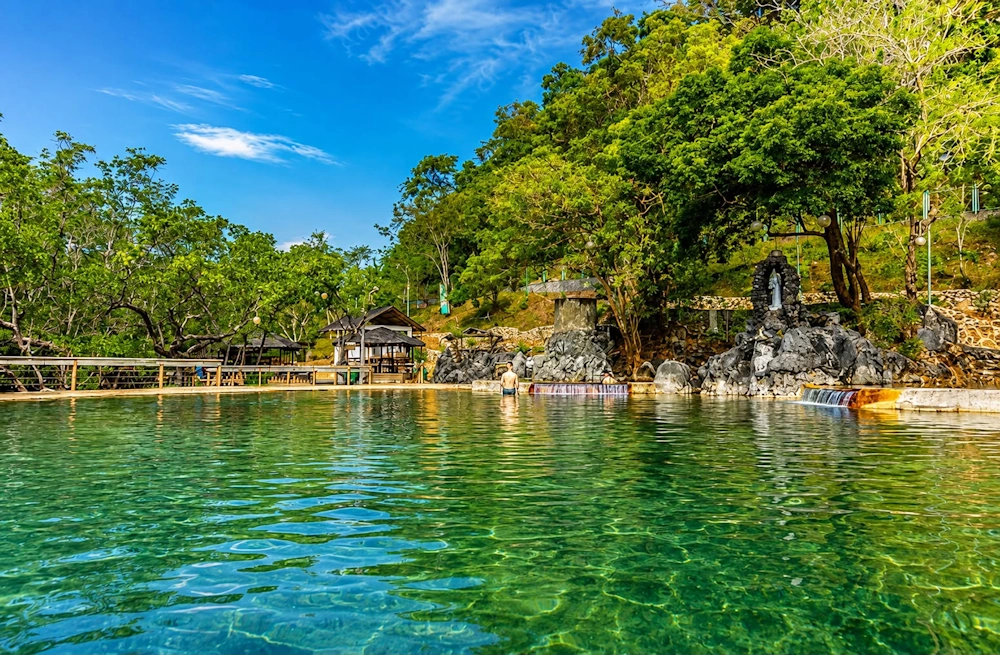
After a climb like that, your legs will probably thank you for a slower day somewhere else in Palawan. If your route includes Coron, soaking in the warm, saltwater pools at Maquinit Hot Spring is about as good a way to recover as it gets, and it’s a nice contrast to the adrenaline of Taraw Cliff.
A Few Practical Notes Before You Go
- Guides are essentially mandatory. The trail isn’t officially maintained, and navigating it without local knowledge isn’t recommended.
- Check conditions before committing. Guides will usually call off the climb if it’s rained recently or storms are expected, since wet limestone is genuinely dangerous.
- Bring water, even for a short hike. Between the humidity and the exertion, you’ll go through more than you’d expect for a 45-minute trail.
- Time it around your other plans. Since it’s typically done at sunrise, it pairs naturally with an island-hopping tour later that same day.
Ready to Chase That Sunrise?
El Nido Taraw Cliff isn’t a hike for everyone, and that’s fine. It’s steep, unofficial, and demands more of you than most El Nido activities. But for travelers who want a view of Bacuit Bay that most visitors never see, and who don’t mind a bit of sweat and sore hands to get there, it’s one of the more memorable ways to start a morning in Palawan.
If Taraw Cliff sounds like your kind of morning, start planning the rest of your El Nido itinerary around it. Check out our El Nido travel guide for island-hopping tours and other things to do once you’re back on solid ground.
Planning more of your Palawan trip? From the cliffs of El Nido to the hidden coves of Coron, Experience Palawan has the guides, tips, and destination picks to help you plan the rest of your adventure.